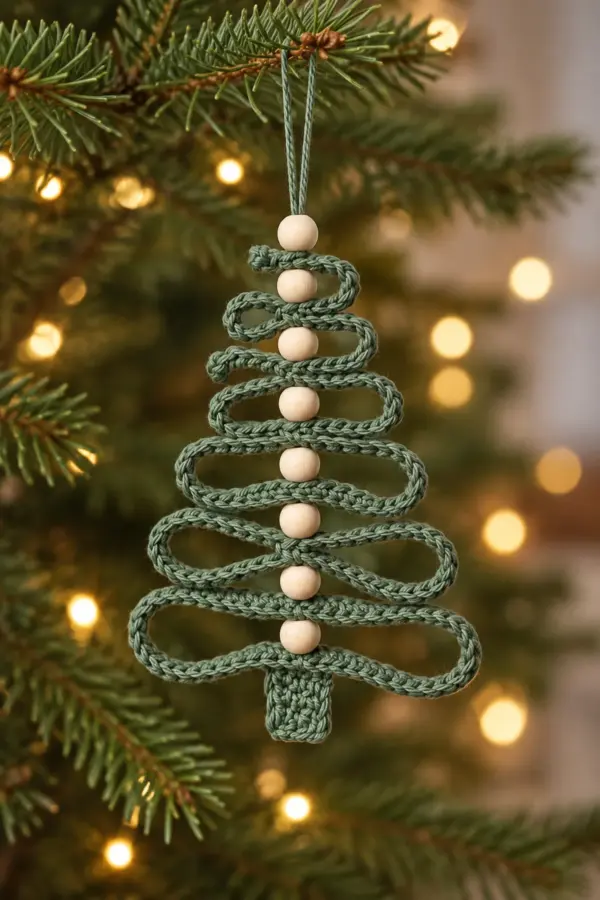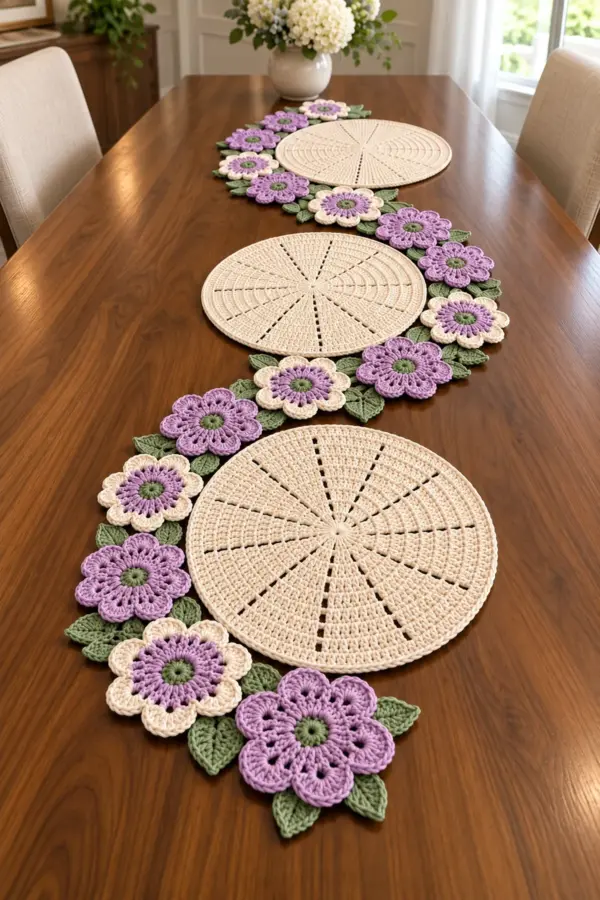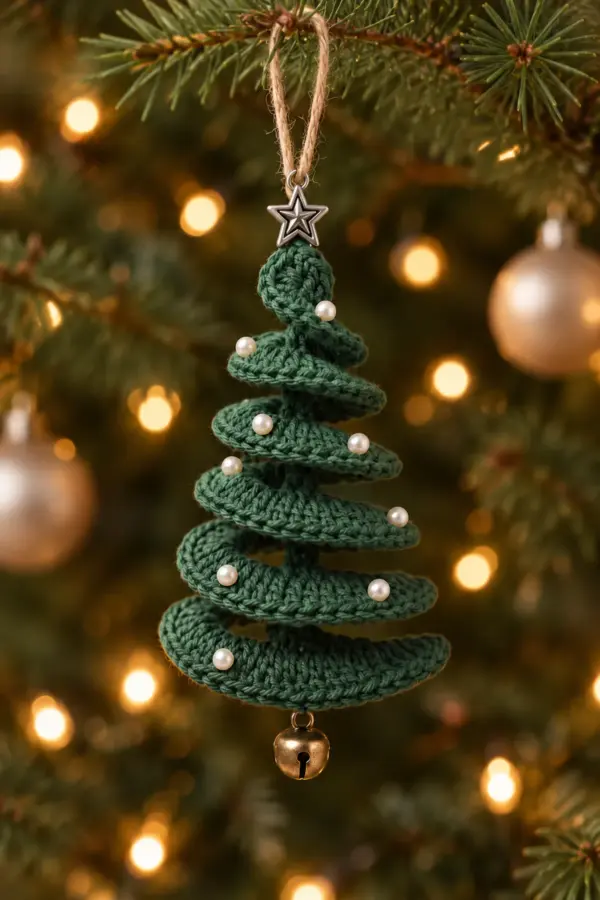
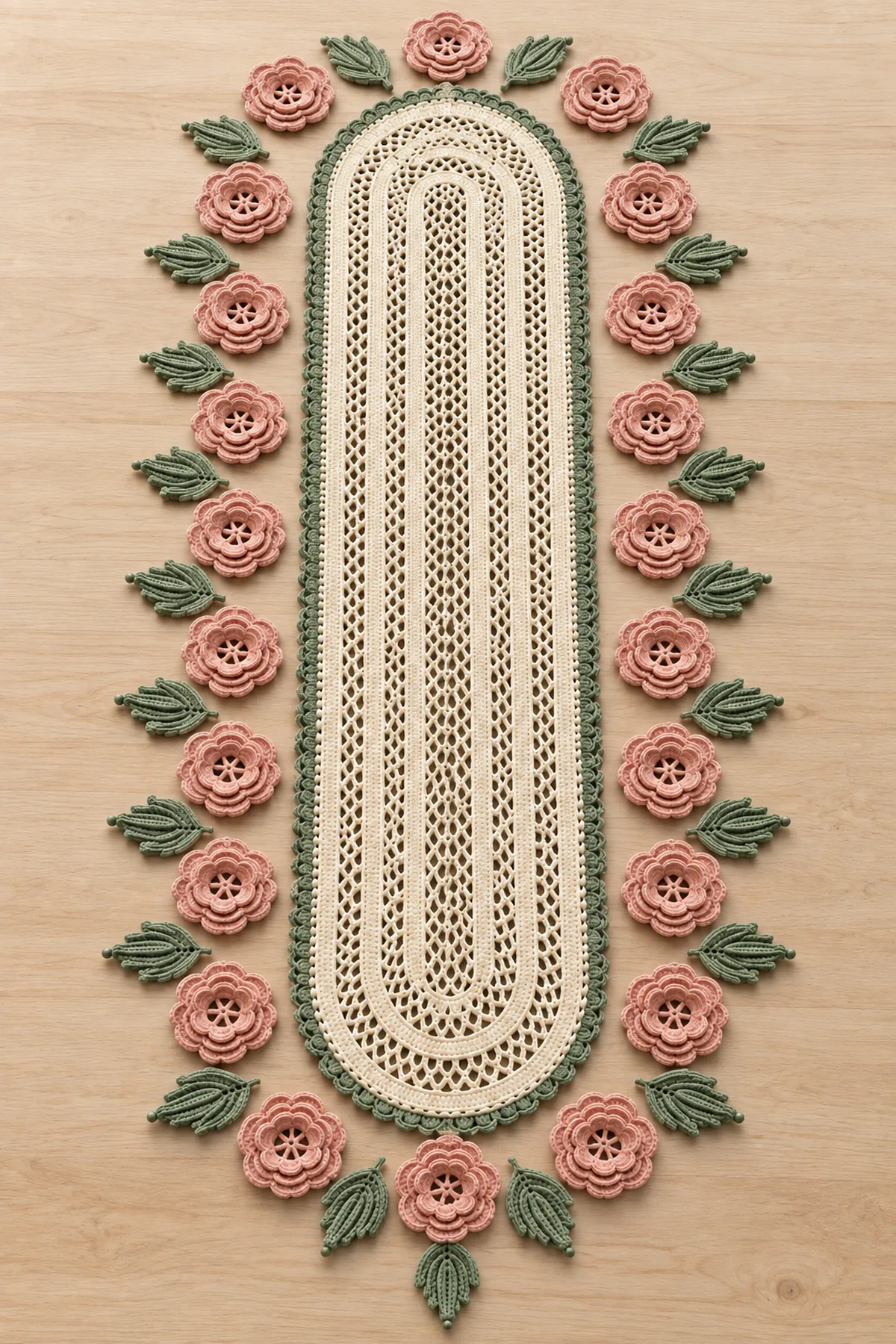
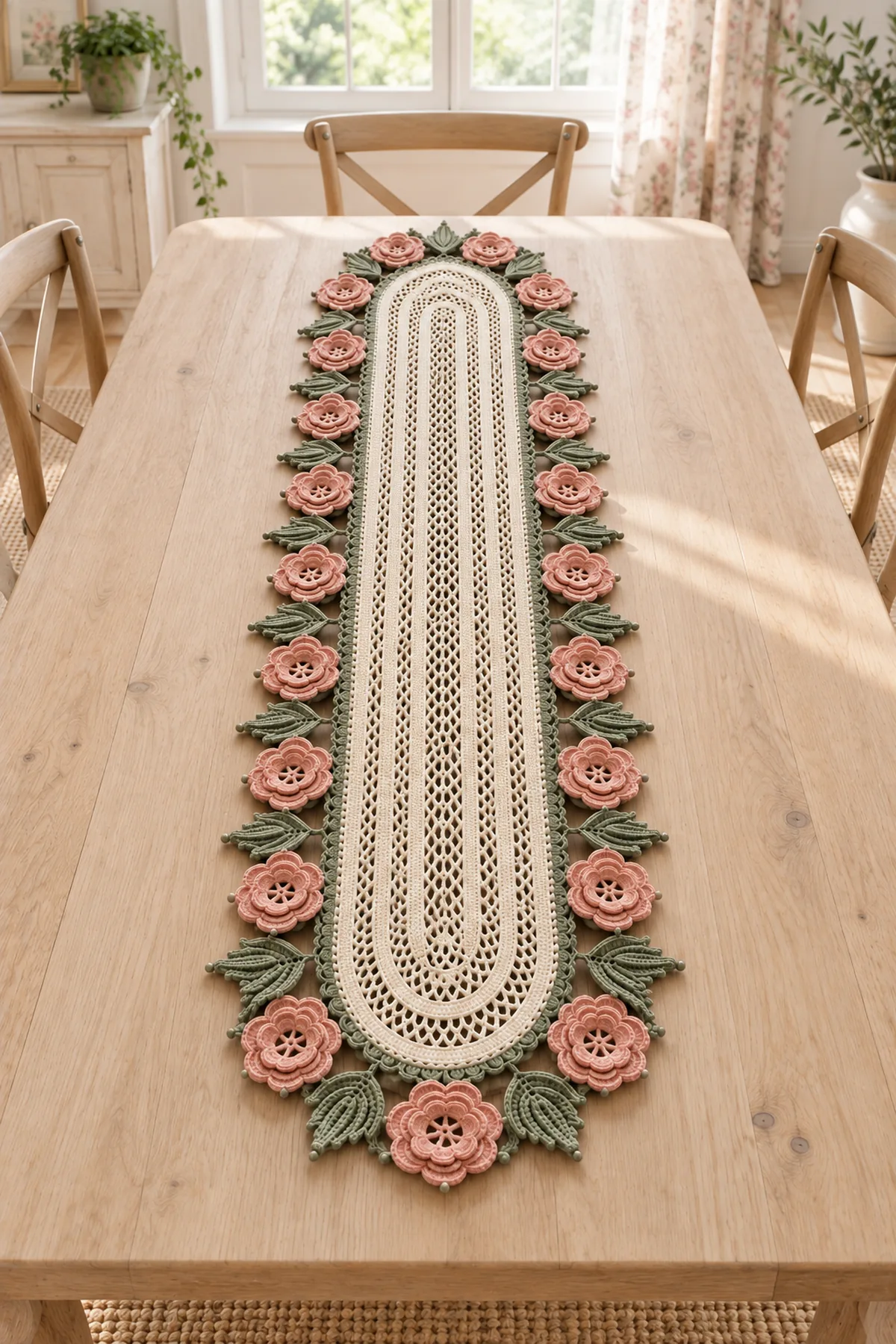
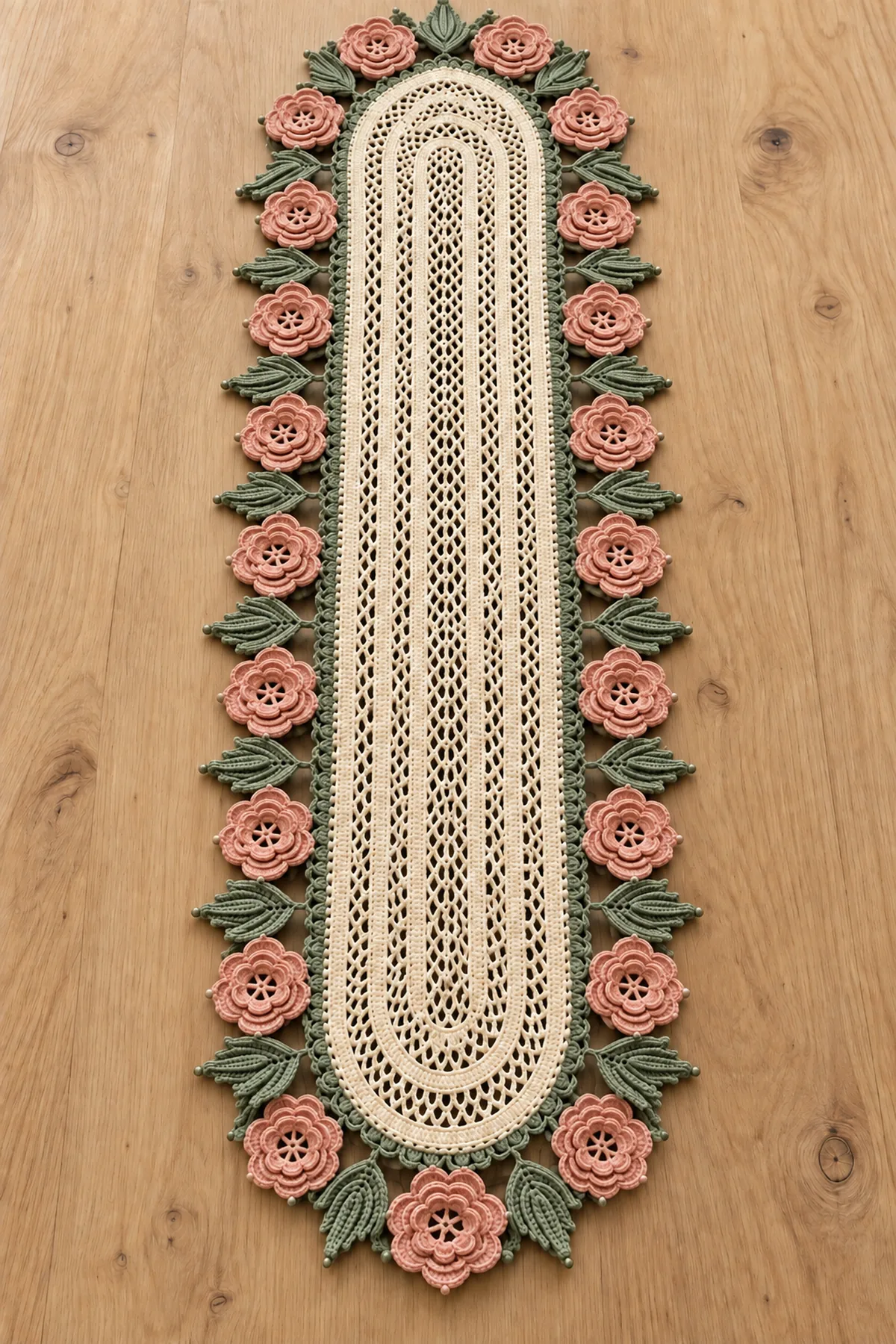
This Irish Rose Oval Crochet Table Runner follows the supplied design without changing its construction. The center is one long, narrow warm-ivory oval with smoothly rounded ends. A diamond filet lattice runs through the middle, bordered by repeated solid lengthwise bands and slim open mesh channels. A muted-sage scalloped edge frames the oval, while exactly twenty-one layered dusty-blush Irish roses and twenty-two pointed sage leaves form a balanced botanical border from the paired roses at the top to the single rose at the bottom point.
Thank you for reading this post, don't forget to subscribe!Work the ivory center from a long foundation row, keeping the central diamond lattice straight before shaping both ends into matching semicircles. Build seven solid lengthwise bands with narrow mesh lanes between them, then crochet a sage joining round and small scallops around the complete oval. Make twenty-one layered roses and twenty-two ribbed leaves separately. Pin the roses as two at the crown, nine mirrored pairs down the long sides, and one centered at the lower end; place the leaves between rose groups and join everything through solid stitches.
Why You’ll Love This Project
The runner combines disciplined filet geometry with dimensional Irish-crochet flowers. The slim oval remains practical beneath tableware, while the dusty-blush roses soften the long ivory lines. Because the floral border is assembled separately, every rose and leaf can be blocked and positioned precisely before sewing.
Materials
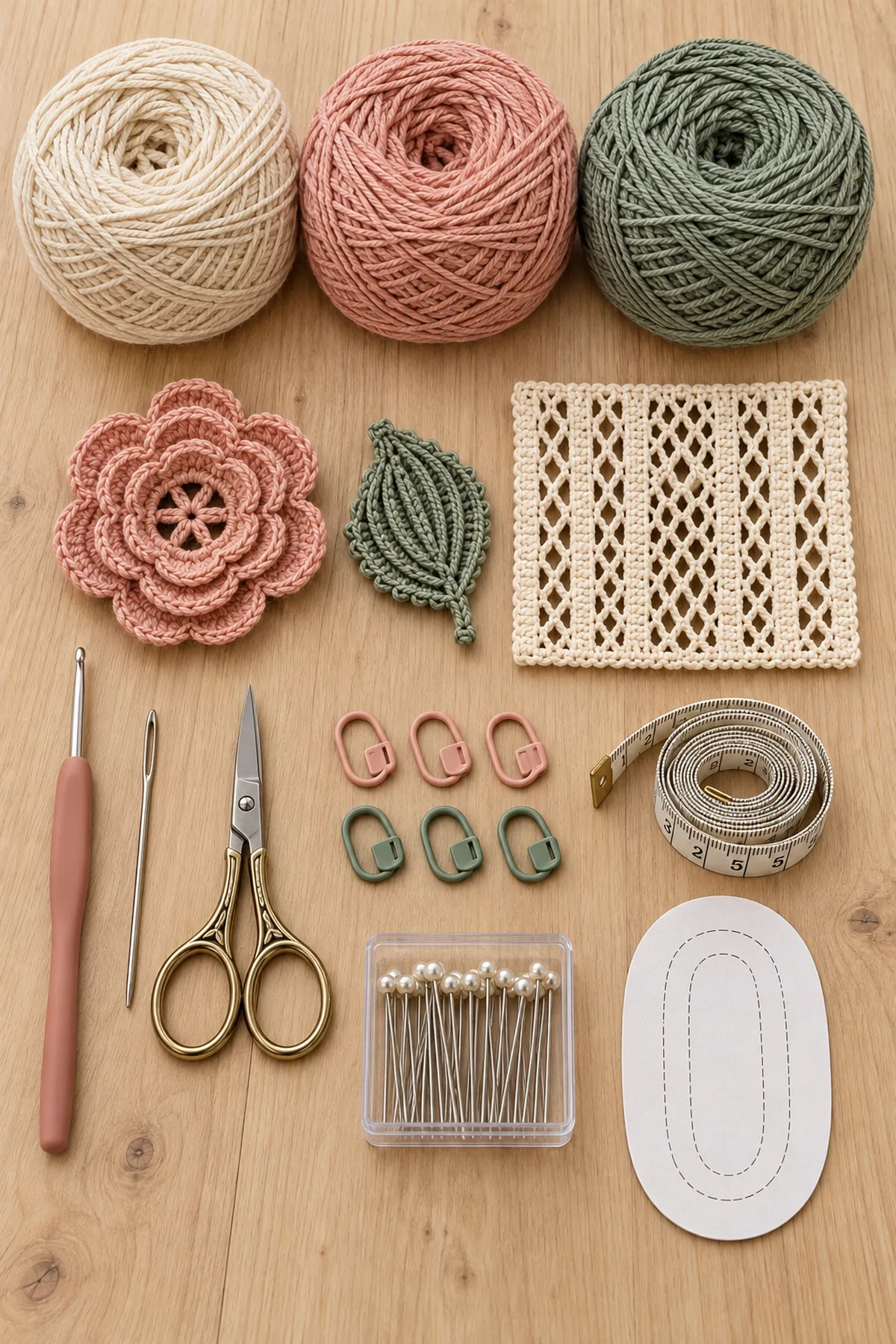
- About 1,050 yards warm-ivory sport-weight mercerized cotton
- About 620 yards dusty-blush sport-weight cotton for twenty-one roses
- About 520 yards muted-sage sport-weight cotton for edging and leaves
- 2.75 mm crochet hook
- Yarn needle, fine scissors, locking markers, flexible tape measure, blocking mats, rustproof pins, and a 58-inch oval paper template
Gauge, Measurements, and Planning
Work the first 8 inches of the ivory center and block lightly. Eight diamond spaces should measure close to 4 inches, and the full seven-band width should measure about 10.5 inches before the sage frame. The finished center oval should measure about 12 by 52 inches; the flowers and leaves extend the complete runner to approximately 18 by 58 inches.
Make and wash a gauge swatch before beginning. Measure only after the swatch is completely dry. If the stitch width differs, change hook size rather than pulling the working yarn tighter. Keep a written count at the end of every section so the finished edges remain balanced and the assembly points line up.
Abbreviations and Special Stitches
- ch: chain
- sc: single crochet
- hdc: half double crochet
- dc: double crochet
- tr: treble crochet
- sl st: slip stitch
- sp: space
- st(s): stitch(es)
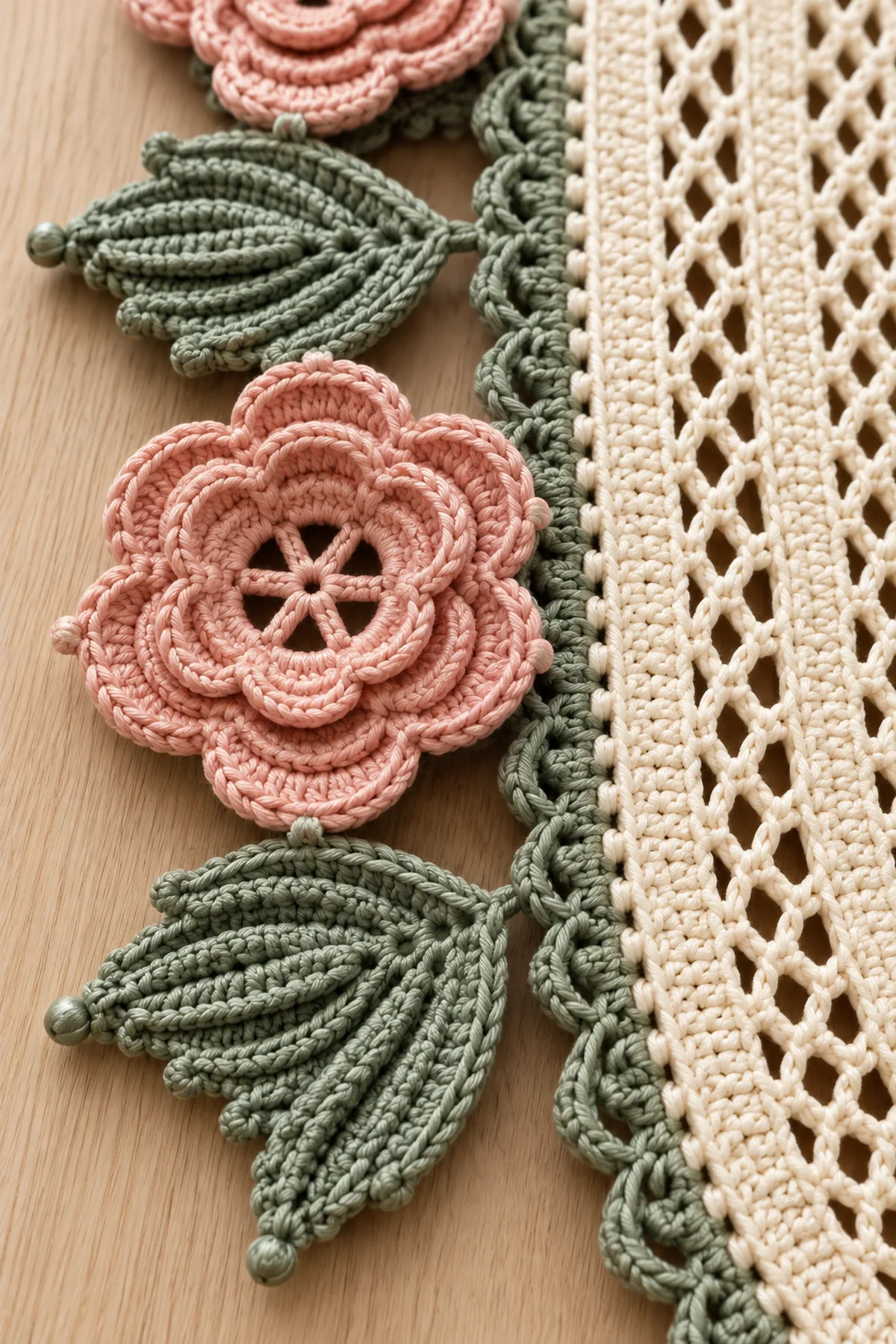
Special stitch guidance: Diamond mesh: cross two chain arches at their midpoint and anchor into the next solid band. Solid band: a narrow column of double crochet worked into aligned stitches. Irish rose petal: work layered shell petals into front and back loop rings so each tier overlaps the previous tier. Ribbed leaf: mirror graduated stitches on both sides of a center chain, then surface-slip-stitch a raised vein. Sage scallop: five double crochet in one marked space followed by single crochet in the next marked space.
Before You Begin
- Keep the center as one long oval with two fully rounded ends; do not turn it into a rectangle or separate panels.
- Make exactly twenty-one dusty-blush roses: two at the top crown, nine matched pairs down the sides, and one at the bottom center.
- Make exactly twenty-two muted-sage pointed leaves and distribute them between the rose groups.
- Preserve the ivory center, sage frame, and dusty-blush flower palette from the reference.
- The floral motifs sit outside the sage oval edge; they do not cover the central filet bands.
- Beginning chains count only where a step states that they do.
Instructions
Build the Long Ivory Filet-Lace Center
Establish the central diamond lattice and aligned solid bands before shaping the rounded ends.
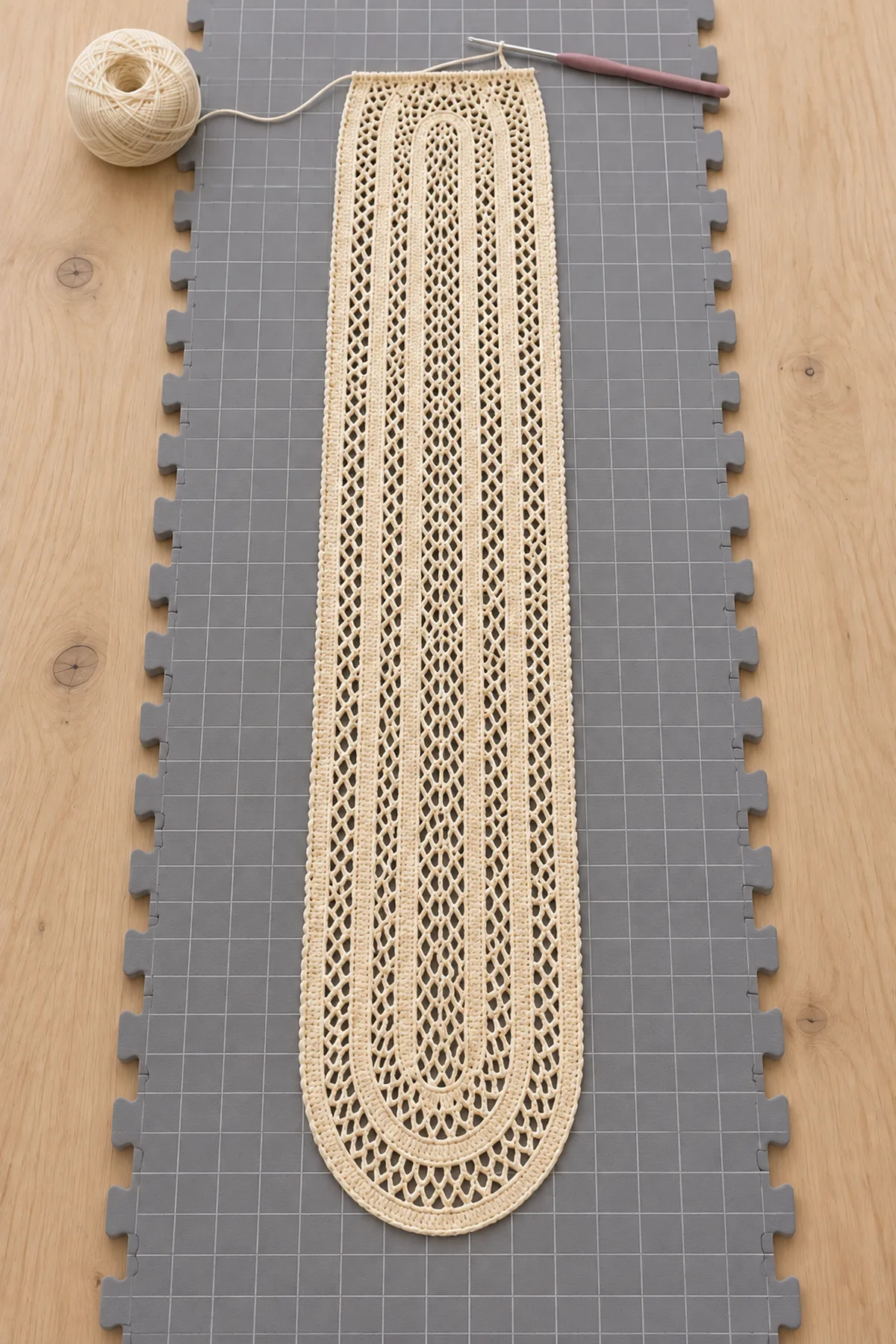
- With warm ivory, ch 165. Beginning in the fourth chain, work the first 162-position filet foundation across. (162 sts)
- Work 112 straight rows while maintaining one central diamond-lattice lane, three slim mesh channels on each side, and seven narrow solid double-crochet bands running lengthwise. Mark the first, center, and final positions on every row.
- Form each diamond by crossing paired chain-3 arches and anchoring them into the next marked solid position. Keep every solid band aligned vertically; do not shift a band to compensate for a missed mesh stitch.
- At Row 113, begin the upper rounded end by decreasing one filet position at both edges on each of the next 18 rows. Continue the central lattice until 18 positions remain, then close the curve with two graduated shell rows.
- Rejoin ivory at the foundation edge and repeat the same 18-row decrease sequence in reverse to create the matching lower semicircle. Block the center to a long, perfectly straight oval.
Add the Sage Oval Frame and Scallops
The muted-sage edge outlines the entire ivory oval and provides solid attachment points for the flowers and leaves.
- Join sage at one long-side midpoint. Work one round of sc around the complete oval, placing one stitch in each solid edge position and evenly spacing extra stitches around both semicircular ends.
- Work a second round of hdc, increasing at twelve evenly marked positions on each rounded end so the oval lies flat.
- For the scalloped round, repeat [sc in the next marked stitch, skip one stitch, 5 dc in the next stitch, skip one stitch] around. Adjust only within the final four stitches so the last scallop meets the first cleanly.
- Block the framed oval to approximately 13 by 53 inches, opening every mesh lane and keeping the sage scallops small and even.
Crochet Twenty-One Layered Irish Roses
Every dusty-blush flower uses the same three overlapping petal tiers visible in the reference.
- With dusty blush, make a magic ring and work 8 sc into it. Join and mark the first stitch. (8 sts)
- Behind the center, make eight chain-4 arches. In each arch work sc, hdc, 3 dc, hdc, sc to form the first petal tier.
- Work eight chain-6 arches behind the first tier. In each arch work sc, hdc, 5 dc, hdc, sc. Repeat behind these petals with eight chain-8 arches containing sc, hdc, 7 dc, hdc, sc.
- Finish each rose with a narrow reverse-single-crochet outline around the outer petals, keeping the central eight-spoke opening visible.
- Make exactly twenty-one identical roses. Wet-block the petal layers while lifting their edges so the flowers remain dimensional.
Make Twenty-Two Leaves and Assemble the Border
Copy the reference’s continuous floral perimeter without covering the long ivory lace center.
- For each sage leaf, ch 17. Starting in the second chain, work sl st, sc, hdc, 10 dc, hdc, sc, sl st; rotate and mirror the sequence along the other side. Add a chain-2 pointed tip.
- Surface-slip-stitch from base to tip for a raised vein, then add two short diagonal veins on each side. Make exactly twenty-two leaves and block every point open.
- Pin two roses across the upper crown. Place nine mirrored rose pairs down the two long sides at even intervals, then center the twenty-first rose at the lower end.
- Distribute the twenty-two leaves between the rose groups, angling tips outward. Keep the central ivory oval completely visible and preserve the sage scalloped line behind the motifs.
- Sew each rose through its center ring and lower petal tier to solid sage stitches. Attach every leaf along its base and center vein. Final-block the complete runner to approximately 18 by 58 inches.
Assembly and Shaping
Pin the blocked ivory-and-sage oval first. Mark the top crown, nine equally spaced positions on each long side, and the bottom center. Place all twenty-one roses before adding leaves, checking that the side pairs mirror one another. Position the twenty-two sage leaves in the gaps with points facing outward. Sew only into the sage frame so the ivory lattice and seven solid bands remain unobstructed.
Lay every component on a flat surface before joining. Match the marked centers first, then divide each remaining edge into equal sections. Work through both layers with consistent tension and pause after each section to check that the fabric lies flat. This measured approach prevents twisting and keeps decorative details facing the intended direction.
Finishing
- Weave ivory tails through solid filet bands rather than open chains.
- Hide sage tails inside the two solid frame rounds.
- Reinforce each rose center and leaf vein from the back without flattening the petals.
- Pin both rounded ends, every diamond opening, all scallops, rose petals, and leaf points before drying completely.
For a polished result, weave each tail through several same-color stitches, reverse direction once, and trim only after the fabric has been gently stretched. Block to the listed dimensions without flattening textured stitches. Inspect joins, borders, straps, and decorative pieces before the project is used or gifted.
Helpful Tips
- Use mercerized cotton so the filet diamonds remain crisp and the roses hold their layered shape.
- Count the seven solid bands at the end of every repeat row.
- Block the center oval before making final flower-placement marks.
- Keep the two top roses level and the single bottom rose centered to preserve the formal reference symmetry.
Good lighting and a contrasting stitch marker make counting much easier. If a section looks uneven, compare the current count with the previous checkpoint before continuing. Fixing one missed stitch early is faster than compensating later, and it preserves the measurements used by the assembly instructions.
Frequently Asked Questions
Can I make fewer roses?
You can shorten the runner, but the supplied design uses exactly twenty-one roses: two at the top, nine pairs down the sides, and one at the bottom.
Why is my oval twisting?
Check that the seven solid bands stay aligned and that increases on each rounded end are placed at the same twelve marked positions.
Can I use a different flower color?
Yes, but dusty blush with muted sage and warm ivory creates the soft Irish-rose palette shown in the reference.
Conclusion
A single long ivory filet oval, seven aligned solid bands, sage scallops, twenty-one layered dusty-blush Irish roses, and twenty-two ribbed leaves create the exact formal botanical runner structure shown in the supplied image. Precise marking and blocking preserve the long rounded shape and keep every floral motif outside the lace center.
Printable Crochet Pattern Card
Project: Irish Rose Oval Crochet Table Runner
Skill level: Advanced Intermediate Hook: 2.75 mm Yarn: Sport
Finished size: Approximately 18 by 58 inches after blocking
Card Materials
- About 1,050 yards warm-ivory sport-weight mercerized cotton
- About 620 yards dusty-blush sport-weight cotton for twenty-one roses
- About 520 yards muted-sage sport-weight cotton for edging and leaves
- 2.75 mm crochet hook
- Yarn needle, fine scissors, locking markers, flexible tape measure, blocking mats, rustproof pins, and a 58-inch oval paper template
Card Instructions
- Build the Long Ivory Filet-Lace Center: Work a 162-position ivory filet center with seven solid bands and matching 18-row rounded ends.
- Add the Sage Oval Frame and Scallops: Frame the ivory oval with two sage rounds and one evenly spaced five-double-crochet scallop round.
- Crochet Twenty-One Layered Irish Roses: Make exactly 21 dusty-blush roses with eight petals in each of three overlapping tiers.
- Make Twenty-Two Leaves and Assemble the Border: Arrange 2 top roses, 9 side pairs, and 1 bottom rose; add 22 sage leaves and block the complete oval border.
Finish: Check every count, weave in all ends, block to measurement, and inspect each join.